
Hearing advice
Choosing a hearing aid

Comparison of hearing aid styles
An overview of current hearing aid options, generalised to the industry rather than to any one brand.
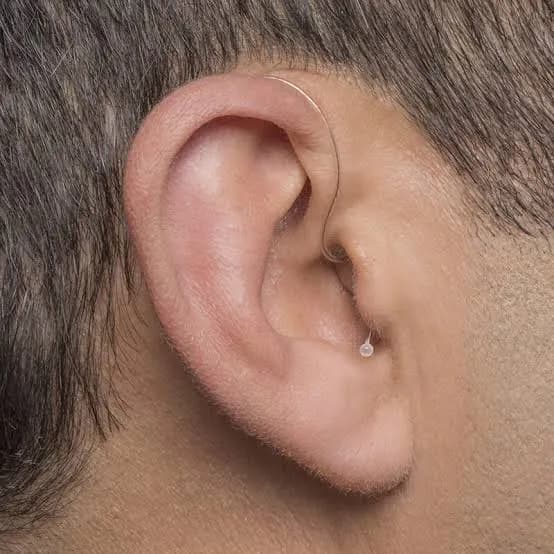
Receiver-in-canal (RIC)
- Visibility
- Low visibility
- General reliability
- Excellent
- Expected lifespan
- 4.5 – 6.5 years
- Power source
- Disposable or rechargeable
In most cases this style experiences fewer problems than all the others. They are widely recognised for being the most dependable, while repairs are generally quicker and easier.
Best for
- The best choice of all hearing aid styles when considering performance and value for money
- Suitable for a wide range of individuals, including the majority of older people
- The most effective style for improving hearing outcomes, especially speech clarity in noise
- Phone call and media streaming comes as standard, even in budget models
- Very comfortable for most people to wear
Not so suitable for
- For those with more severe dexterity issues, this style can be too difficult to manage
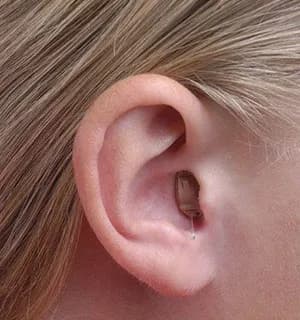
In-the-canal (ITC)
- Visibility
- Invisible to near-invisible
- General reliability
- Fair
- Expected lifespan
- 3.5 – 5 years
- Power source
- Disposable or rechargeable
This style is more prone to defects than the others, because all the delicate electronic parts are housed directly inside the ear canal and are consistently exposed to moisture and ear wax. These issues are more common in people who work outdoors or who do not follow proper device care.
Best for
- Effective for improving everyday listening, such as one-on-one conversations, small groups and watching television
- The best option for those after an invisible or near-invisible device
- Because they are custom-shaped to the ear canal, they usually fit extremely well
Not so suitable for
- Less improvement for speech clarity in noise and social settings compared to RIC styles
- Phone call and media streaming is not always available on these styles
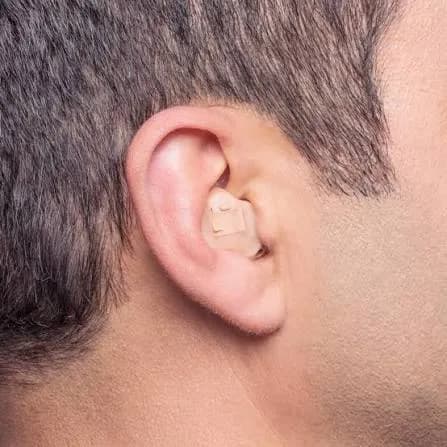
Rechargeable in-the-ear (R-ITE)
- Visibility
- High visibility
- General reliability
- Good to excellent
- Expected lifespan
- 4 – 5.5 years
- Power source
- Disposable or rechargeable
In most cases this style is highly reliable, putting them just below RIC hearing aids as the second most reliable option.
Best for
- Effective for everyday listening: one-on-one conversation, small groups, television and streaming phone calls
- The best option for those after an easier-to-manage device, such as those with dexterity issues
Not so suitable for
- Being larger, they are not a discreet hearing aid option
The 4 things worth thinking about before you buy
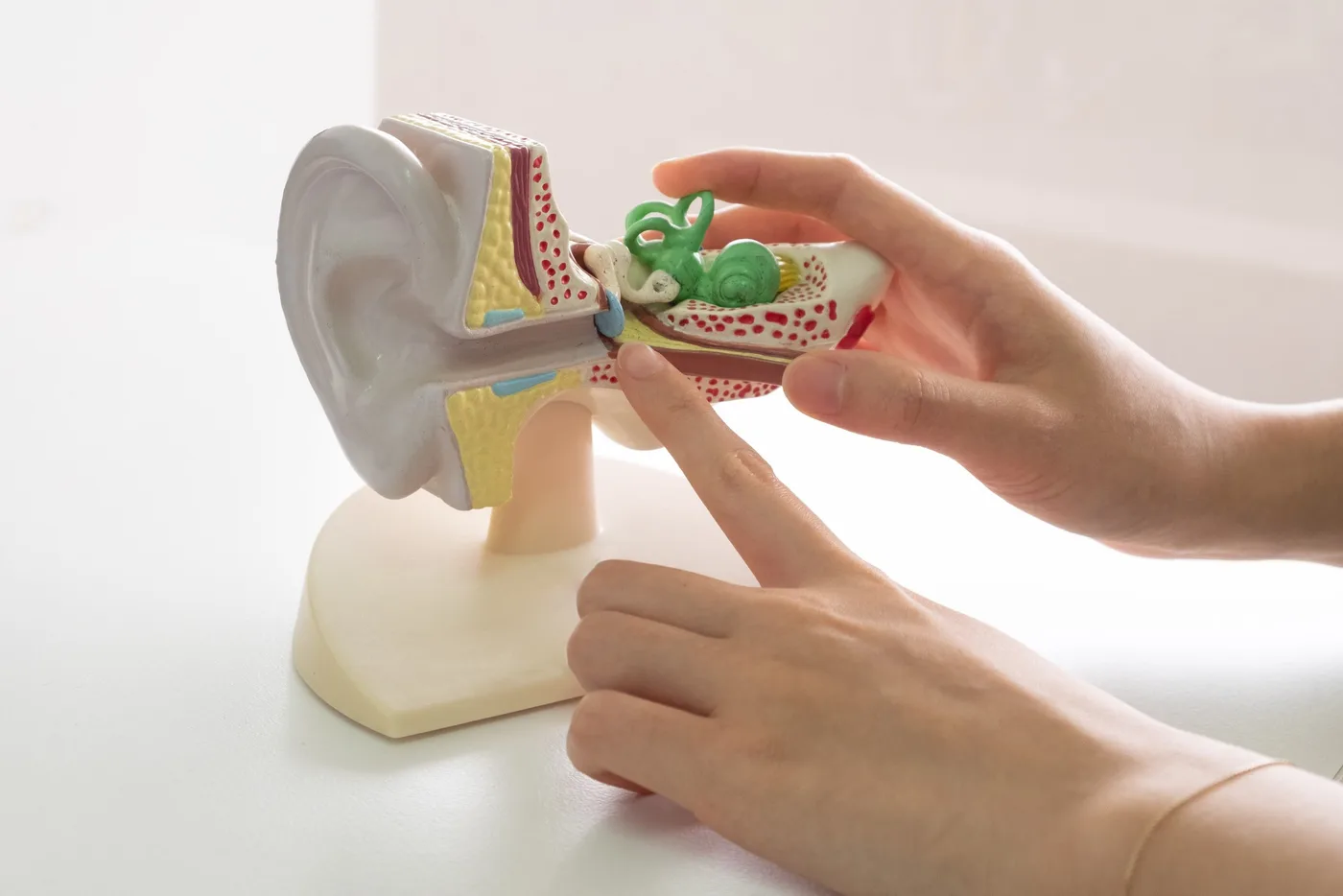
Your hearing loss type, not just your taste
When thinking about the different hearing aid styles on offer, it is important to know that not all styles are suitable for all types of hearing loss. The severity of a person's hearing loss and its relation to specific frequencies can determine whether certain styles will work for them or not.
So it is important to think about the options not only from a cosmetic view, but also in relation to the type that is going to perform best for you.

Technology levels and your hearing goals
Understanding the scenarios where enhancing your hearing matters most to you is undeniably the most significant factor to consider before purchasing hearing aids. Expectations versus outcomes matter more than people think.
Lower-end technology hearing aids are highly effective for one-on-one conversations, watching TV and engaging with soft-spoken individuals. While they do enhance your hearing in environments with background noise, this capability is limited in lower-end models. For many people, such as the very elderly, this may not be an issue at all. For others, it will not address their primary hearing problem.
When it comes to technology levels, we recommend reflecting on the value that restoring your hearing holds for you, along with the expectations you have of hearing aid use.
How much control you actually want
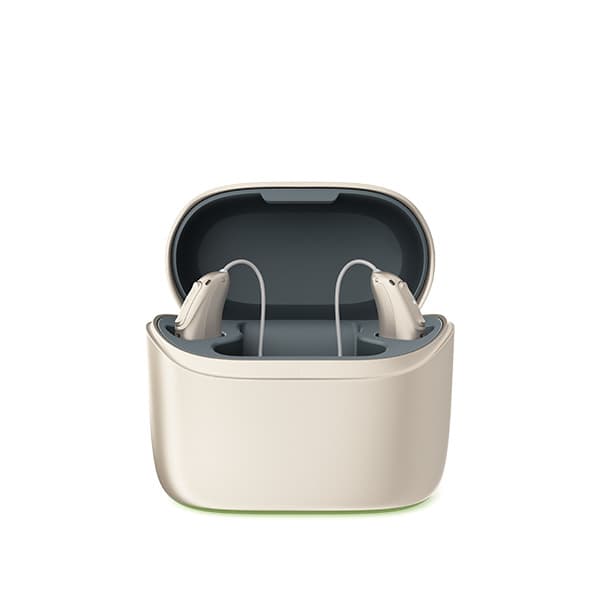
Modern hearing aids can be made as simple or as complex as a person likes. With options now including phone call streaming, app and button controls, tinnitus masking, and the choice of disposable or rechargeable batteries, it is worth thinking about which type of person you are.
Some people want to put them on each morning and forget about them. Others prefer control and customisation, such as call streaming and full control of their hearing aid profile.

Commitment to the process
Using hearing aids is most effective when the individual is genuinely motivated to enhance their hearing. For many people just beginning, it is common to require a few weeks to a month to get their head around using them. This can be frustrating, but the adjustment period is entirely normal and nearly always overcome.
It also requires dedication to wear them daily. While not everyone needs to wear hearing aids continuously throughout the day, most people do. When starting out, due to brain neuroplasticity, infrequent and incorrect use is among the most detrimental things a person can do. Motivation levels should be at the very least moderate.
What are the ongoing responsibilities?
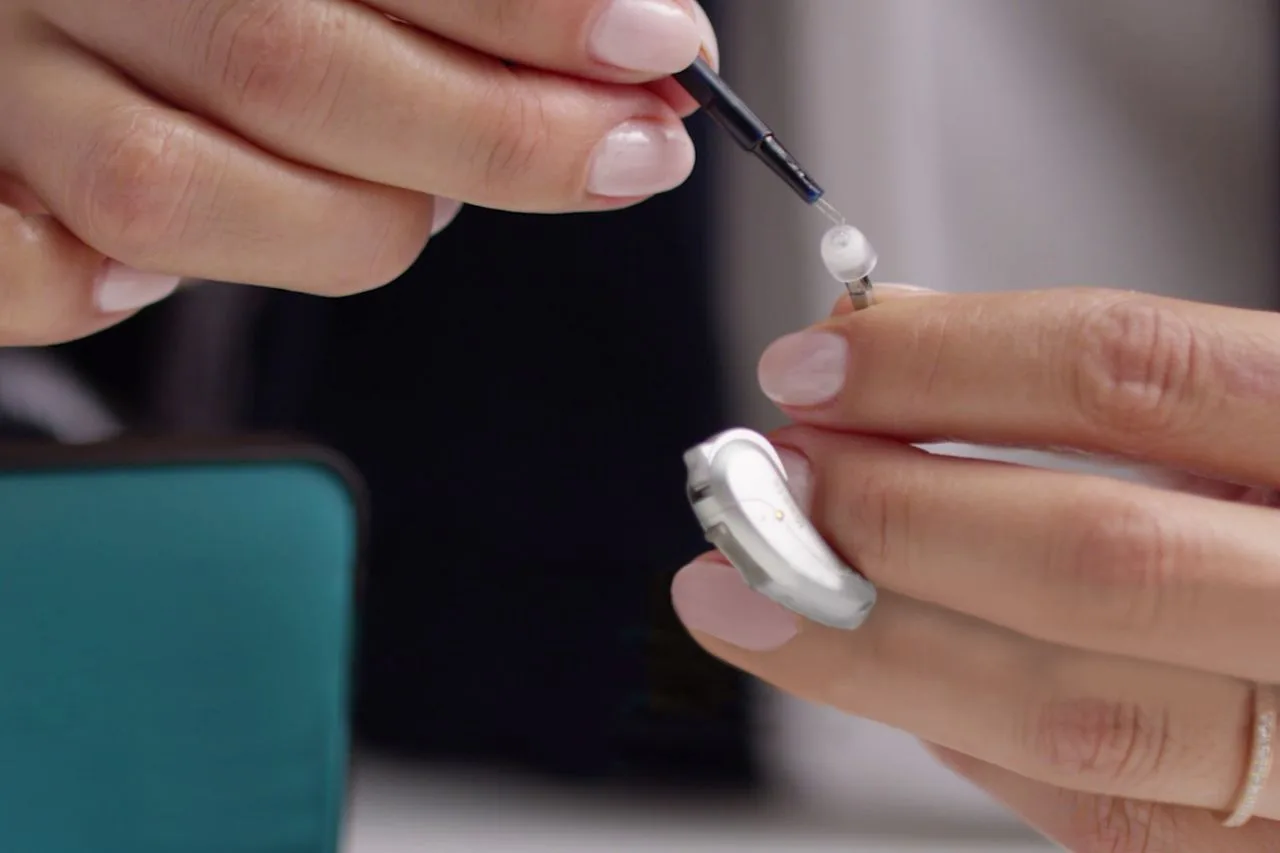
People using hearing aids only need to perform easy and quick tasks to maintain their devices. Primarily this involves cleaning them at least once or twice per week, while charging them each night. Cleaning may not seem that important, but it plays a vital role in ensuring devices continue to function optimally between visits to your audiologist. People who follow proper maintenance would not typically spend more than 5 minutes on this each week, and cleaning also extends the life of the devices.
Hearing aid use also requires continuous programming updates, to suit the natural changes that occur to hearing over time. Typically you will see your audiologist once per year for this, during which crucial software updates take place, while a comprehensive hearing test and an ear health checkup is conducted.
What benefits can I realistically expect?
Improvements to hearing
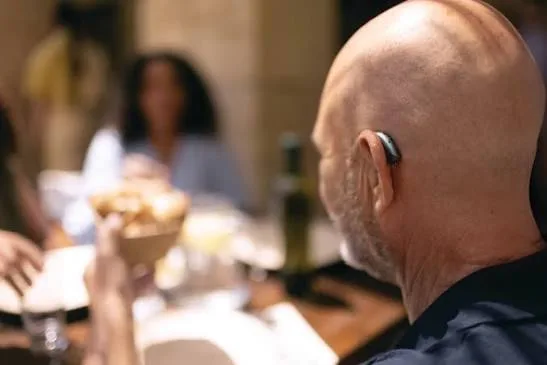
Hearing aids can significantly enhance hearing. However, the extent of these improvements largely depends on the baseline hearing of the person using them.
Individuals with mild to moderate hearing loss will generally experience significant improvements in most listening situations, depending on technology. In cases of more severe hearing loss, people can expect improvements in some areas while still likely struggling in others.
Brain health benefits
Hearing aids not only help us hear better, they keep the brain's auditory nerve pathways engaged and healthy, reducing the risk of cognitive decline and auditory processing difficulties.
With moderate or worse hearing loss, over time permanent auditory nerve deterioration occurs. This makes it harder for the brain to understand and process speech, even when speech is loud and clear, and regardless of hearing aid use. That is why if you suspect hearing loss, it is vital to get it assessed.
One more thing worth knowing
Book a free device discussion
No obligation, no pressure. We will talk through which style and technology level genuinely matches how you live, and quote it in writing.